
How to Search Civil Dockets
Start with the Thirty-Fourth Judicial District Court, the parish's general civil trial court. Its docket covers most local civil filings. Clerk of Court Randy S. Nunez keeps the official side of things. That means the civil index, minute entries, pleadings, orders, and judgments. For online access, two options exist. The Cott eSearch portal is the parish-level choice. It requires a paid subscription. eClerks LA is free and statewide, and it can locate civil, family, and probate records. Treat it as a locator. It is not a promise that every St. Bernard civil file or image sits behind it. Gather the caption, the case number if known, and a rough filing date. Do that before you search. The Cott civil search fields sit behind a login. Confirm the exact filters, date coverage, and codes with the Clerk. Also note that Justice of the Peace ward cases run on a separate docket. Those should not go first to the 34th JDC Clerk.
- Decide whether the matter belongs in the 34th JDC or a Justice of the Peace ward.
- Open the Clerk’s Cott eSearch sign-in page and select civil access after account setup.
- Use eClerks LA to locate free statewide civil, family, or probate index information.
- Read the result as a case index or event record, then identify the exact filing or order needed.
- Ask the Clerk for inspection, a copy, a judgment or order, or a certified copy.
St. Bernard Civil Cott Search
Cott eSearch is St. Bernard's subscription channel for detailed civil records. Access pricing comes in tiers. Daily civil access runs $20, and monthly access runs $40. Combination plans cover civil and land records together. An annual civil plan is listed at $400. Civil and criminal annual access is $500. Combined land, civil, and criminal annual access is $600. Once you are inside, Civil Image and Civil Minute items cost $1 apiece. Terms and prices can shift. The live purchase screen controls. What you see before login is limited. The public screen shows account fields, Certified Dates, and subscription controls. It does not show the full civil search form. That gap matters for a St. Bernard civil docket search. Do not assume a particular field or document image will appear. Your account must have access first. The portal terms also state that official records remain with the recording jurisdiction. So a court-file request still goes to the Clerk.
What a Civil Docket Shows
Cott's civil search sits behind a paid account. No public register view exists to walk through. Local screens may use different labels, dropdowns, or ordering. The field framework that follows is a general Clerk-record scaffold. It is built on the civil case sequence used in the parish. Confirm any unfamiliar field with the St. Bernard Clerk before relying on it for a case decision.
| Case number and caption | The Clerk-assigned identifier and formal case title. Exact local prefixes were not publicly verified. |
|---|---|
| Parties and counsel | Plaintiff or petitioner, defendant or respondent, and attorneys may identify the people and roles in the civil action. |
| Filing and service | Petition, complaint, citation, return, waiver, answer, exception, or other response shows how the case began and progressed. |
| Events and settings | Motions, notices, orders, conferences, discovery, hearing dates, and trial-related entries form the chronological record. |
| Outcome and later activity | Judgment, consent judgment, default, dismissal, appeal, garnishment, satisfaction, or amendment can appear after the main dispute changes or ends. |
Keep expectations in check. A docket index result is not the filed petition and not a certified judgment. Civil images may carry a separate price in Cott. When you need a signed or certified record, that copy must come from the Clerk.
St. Bernard Civil Clerk Records
For civil records, the Clerk is the office to contact, not an assigned division. Division staff can answer whether a motion, hearing, or status question is current. They cannot do the rest. A file search, a copy request, and certification still go through the Clerk. Visit the Clerk at 1101 W. St. Bernard Highway in Chalmette, or mail P.O. Box 1746, Chalmette, LA 70044-1746. The published phone number is (504) 271-3434. The Division A court page shows the kind of administrative contact a St. Bernard Parish civil setting offers.
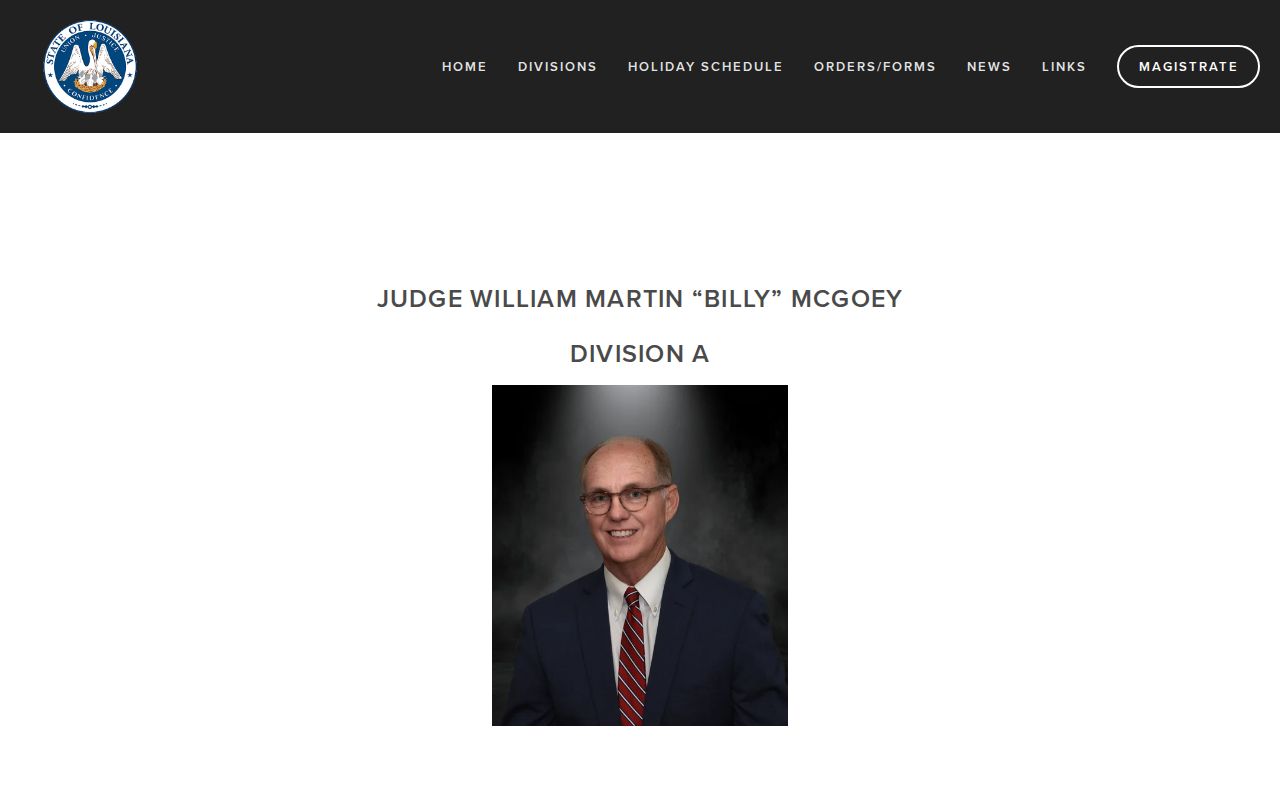
A division can tell you whether a matter is set or reset. For a docket, minute entry, order, judgment, or certified copy, give the Clerk the case number and the exact record sought. The Clerk publishes no current processing-time, search-fee, or certified-copy fee table.
Types of Civil Cases on the Docket
The 34th JDC takes general civil matters in St. Bernard Parish unless a statute sends a case elsewhere. The civil docket there can include contracts, property disputes, tort or injury claims, injunctions, garnishment, executory process, name changes, and related matters. Family and probate indexing may also surface through Cott civil access and eClerks LA. The Clerk can confirm the right category and assignment for any particular case.
- Contract and other general civil disputes
- Property disputes and real-estate-related claims
- Tort or injury claims
- Injunctions, garnishments, and executory process
- Name changes and other special civil proceedings
The parish has no separate county court at law and no standalone family court. Borrowing a court name from another state can send your civil docket search to the wrong office. Stick with the courts St. Bernard Parish actually has.
St. Bernard Civil Docket Routing
St. Bernard routes some civil matters in an unusual way. Under the 34th JDC local rules, a few case types can be taken up before any division. That applies before contradictory pleadings are filed. Executory process falls in that group. So do change of name, mandamus, garnishment, and judgment-debtor rules obtained elsewhere. The picture changes once a contradictory pleading hits the file. From that point, the case belongs to the allotted division alone. That routing detail deserves a careful read. It governs where a matter sits. It is not a promise that every civil filing shows up in every division. A contradictory pleading is simply a filing that contests the request. Once one appears, the Clerk's docket and the filed record are the dependable tools. Use them to pin down which division holds the case.
St. Bernard Civil Court Structure
Civil filings in St. Bernard Parish all funnel through one court. The parish has a single general-jurisdiction district trial court, the 34th JDC, with five divisions. There is no separate county court at law and no standalone family court. Civil and criminal matters run through the same structure. The unified parish Clerk holds the district-court records. So a civil docket search here should start with the 34th JDC and its Clerk. Skip court labels borrowed from some other jurisdiction. Small claims and other limited civil matters may instead belong in one of the eleven Justice of the Peace wards. Each keeps its own docket. Family and probate indexing can surface through Cott civil access or eClerks LA. But ask the Clerk to confirm the court assignment and access category. The correct venue decides both where the record sits and which search channel works best.
Settings and Hearings on Civil Dockets
A civil setting is the scheduled date, time, and division for a court event. Several things can trigger one. A notice of setting, a scheduling order, a conference, a motion, or discovery activity may put an event on the docket. So may a trial assignment. For a live setting or reset question in St. Bernard, call the assigned division first.
The division is not a substitute for the Clerk's file, though. Questions about what was filed need the record itself. So do questions about court orders or whether a judgment has been entered. A reset or continuance simply moves a scheduled event. Confirm the newest date with the division and then the Clerk before trusting any older calendar reference. The St. Bernard Parish court calendar lays out the local channels for confirming dates. Those channels include the division offices and the Clerk. In the end, a civil order or notice of setting beats a general web result. Trust that over the web every time.
St. Bernard Civil JP Dockets
Justice of the Peace courts in Wards A through K are their own limited-civil venues. Their records stay separate from the 34th JDC civil docket. Start with the ward listed on the filing or citation. The official parish directory lists the ward courts and their public phone channels. The JP office itself comes first for inspection. Bring any ward-level docket question there too.
One Ward D form offers a practical warning. It tells a defendant in a contested claim to contact that JP in writing within ten days, including weekends, to avoid default. That instruction belongs to that form and its circumstance. It is not a universal St. Bernard civil deadline. So ask the correct JP about the case-specific procedure rather than applying a ward form to a different court.
Note: A JP request should not be sent to the 34th JDC Clerk unless the JP says the case was appealed or transferred.
St. Bernard Civil Docket Outcomes
A St. Bernard docket reads best when you follow the sequence of civil events. A petition or complaint opens the case. Service records show whether the responding party was notified. An answer, exception, or other response may follow. Then come motions, orders, discovery, a conference, and a setting. From there, several outcomes can end the matter. A judgment, consent judgment, default judgment, dismissal, or nonsuit can also narrow it. Post-judgment entries may bring an appeal, garnishment, writ, satisfaction, amendment, or motion for new trial.
Plain-language definitions help, but they cannot replace the document. A default judgment generally means a party failed to respond or appear as required. A nonsuit is a plaintiff's procedural withdrawal or dismissal, subject to the order's terms. Confirm both the date and the document with the Clerk before relying on any shorthand reading of the result.
St. Bernard Civil Image Access
Cott draws a line between a Civil Image and a Civil Minute, and each is listed at $1 when available through the paid service. That price tag does not mean every document is online. Coverage and menu names vary, and a docket entry alone will not settle the question. Ask the Clerk directly. Ask whether the petition, order, judgment, or minute you need is available online, at the counter, or only through a copy request. The Division D contact page offers one official look. It shows the St. Bernard civil-court division structure.
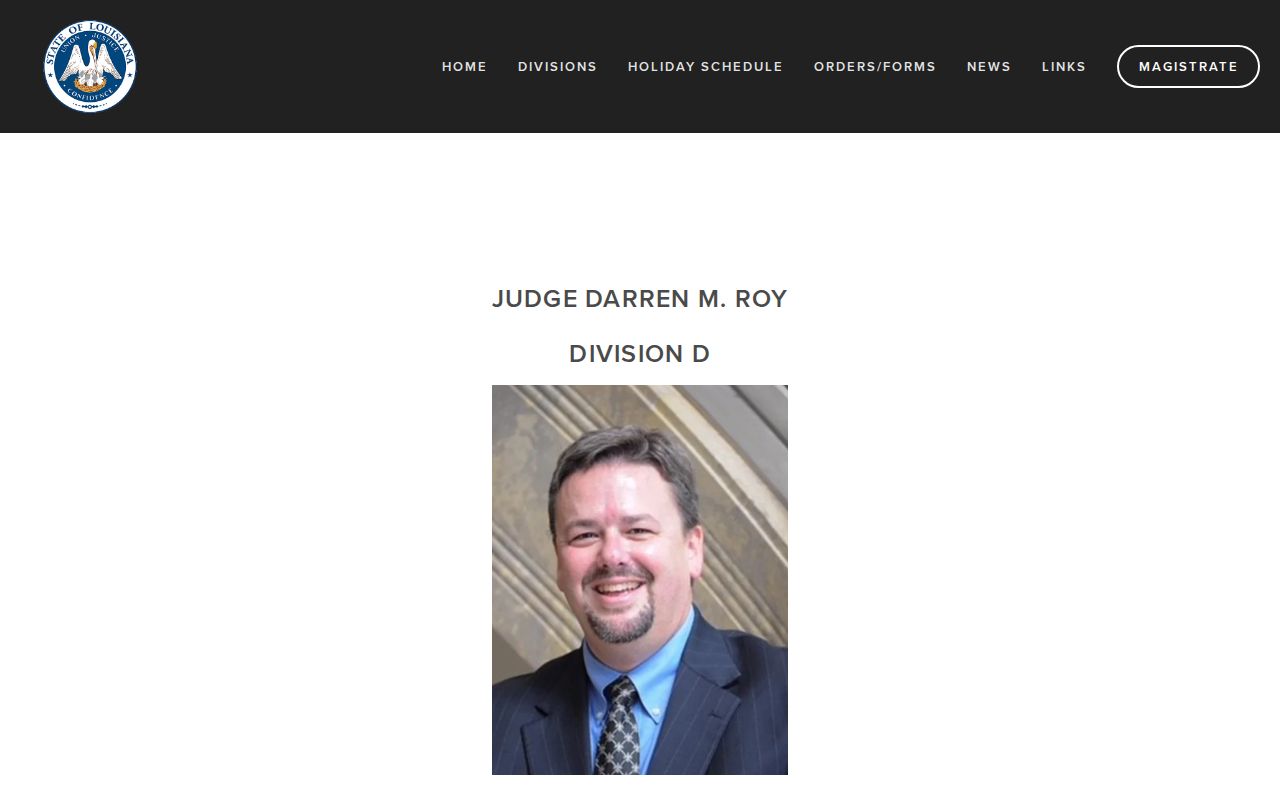
A division page supports a setting inquiry. The Clerk's file remains the official record path. That split matters most when you need a signed order or a certified judgment rather than an online access image.
St. Bernard Civil Result Gaps
A missing civil result usually means a routing problem, not an empty file. Start by rechecking the case number and the party spelling. Then ask where the case actually sits. It might belong to a JP ward or fall under family or probate. It might predate current indexing or be too new to appear yet. It might also be sealed or restricted. The St. Bernard Cott system offers a warning. It says displayed data can stay incomplete or unverified until the jurisdiction indexes, verifies, and releases it.
When the online docket comes up short, call the Clerk, write, or visit the counter. Request the civil file by name. The same goes for the docket or minute entries, a judgment or order, or a certified copy. Skip the parish-government public-record form for a Clerk-held civil file. That parish page sends court-record requests straight to the Clerk.
Public Access to Civil Dockets
La. C.C.P. art. 251 names the Clerk as the custodian of court records and generally backs inspection, copies, and certified copies during required office hours, absent a law that limits access. So a St. Bernard civil docket can be reached several ways. Paid Cott access works. So do the eClerks statewide locator, the Clerk counter, mail, and the Clerk phone line. The statewide portal is free for locating civil, family, and probate information. Record images and certification are separate matters.
Not every file belongs in an ordinary public search. Sealed filings may be withheld or redacted. So may protected personal identifiers, child-protection proceedings, adoption material, and other records limited by law or order. Louisiana's Public Records Law reads broadly, but statutory and constitutional exceptions still apply. The Clerk can point you to the lawful access route for a restricted St. Bernard civil record. No protected details have to be revealed.
Key Rules:
La. C.C.P. art. 251 makes the Clerk the legal custodian and supports inspection, copying, and certified copies when access is permitted.
La. R.S. 13:754 establishes LCRAA and the statewide remote-access infrastructure for participating parish-clerk records.
La. C.C.P. art. 14.1 recognizes electronic filing and official electronic records while directing filers to avoid specified personal identifiers.
The Division E court page offers another official contact point for a St. Bernard civil setting, listing the chamber's details directly.
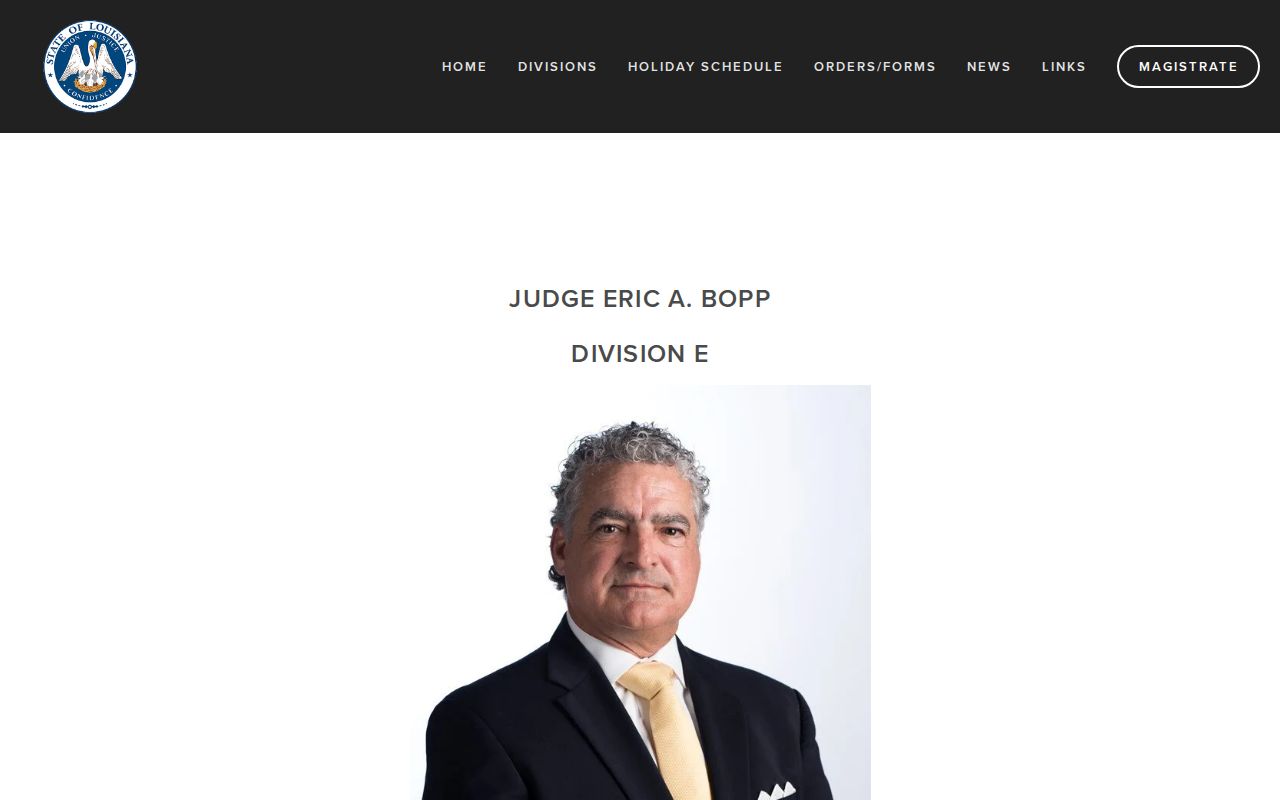
For the official case file, the Clerk stays the custodian. Confirm fees, turnaround, and any authorization needed for restricted material before filing a records request with the office.